Regenerative braking means Volvo drivers waste less energy, emit fewer emissions and get more bang for their buck – helping petrol-engine mild hybrids and plug-in hybrid models cover more kilometres per tank, and boosting the range of fully electric models.
Regenerative braking works by using the kinetic energy usually lost during braking and storing it. In simple terms, regenerative braking puts the car’s motor into reverse, turning it into a generator while slowing the car. The power generated is stored in the battery for re-use.
All of Volvo Car’s models harness regenerative braking.
Mild hybrids (MHEVs) use a small motor and 48v battery alongside a petrol engine to help increase fuel efficiency, ensure smooth starts and deliver more powerful acceleration. Regenerative braking recharges the 48v battery – so it doesn’t need a plug.
Plug-in hybrids, (PHEVs) have a larger battery and motor as well as an engine and can travel more than 70km on battery power alone – around double the average daily driving distance in Australia, which is why many Volvo PHEV drivers are using them effectively as a battery-powered vehicle. When driving around town, particularly in stop-start in traffic, regenerative braking helps to improve that range.
How does regenerative braking work? And why it matters
Regenerative braking works quietly in the background to make Volvos go further for longer – even petrol models. Here’s how it works, and why it matters.
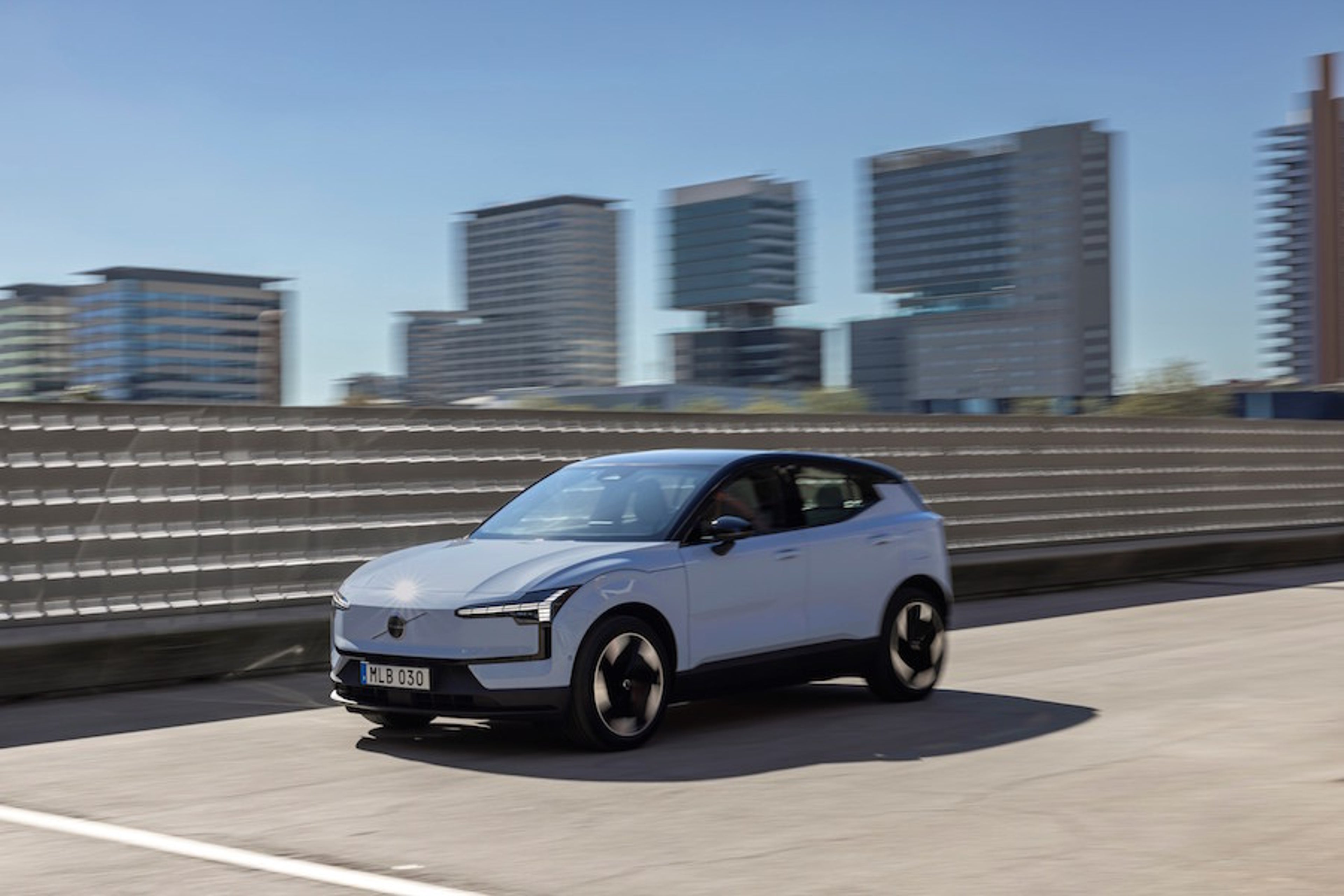
It’s best used for city driving and at lower speeds – because at higher speeds, like on the highway, it’s actually more energy efficient to coast and minimise unnecessary braking.
Fully battery-powered electric vehicles (BEVs) can make greater use of regenerative braking when driven in ‘one pedal’ mode – which feeds power into the battery every time you lift your foot off the accelerator, meaning the car can go further between charges.
It’s best used for city driving and at lower speeds – because at higher speeds, like on the highway, it’s actually more energy efficient to coast and minimise unnecessary braking. That’s because driving at higher speeds requires more energy – and while regenerative braking will recover some energy, speeding up again uses more.
All Volvo models also come with a standard braking system too. While regenerative braking reduces wear on the brake pads and discs, making them last longer, it’s actually recommended that even fully electric vehicle drivers also use the normal braking system frequently to avoid build up of dirt and rust.
Find out more about Volvo’s range of MHEVs, PHEVs and BEVs here
Share


